Japan’s finest museums, gardens and festivals
From ancient castles to witty modern art, Japan will delight culture vultures. Sarah Birke picks her favourites
Read more

This content was paid for by the advertiser and created in collaboration with E² Studio, the custom-content division of Economist Enterprise. Neither The Economist's journalists nor Economist Enterprise’s analysts were involved in creating this content.


 Turn the page on storybook Japan with a stay in a temple lodge or centuries-old villa turned boutique hotel


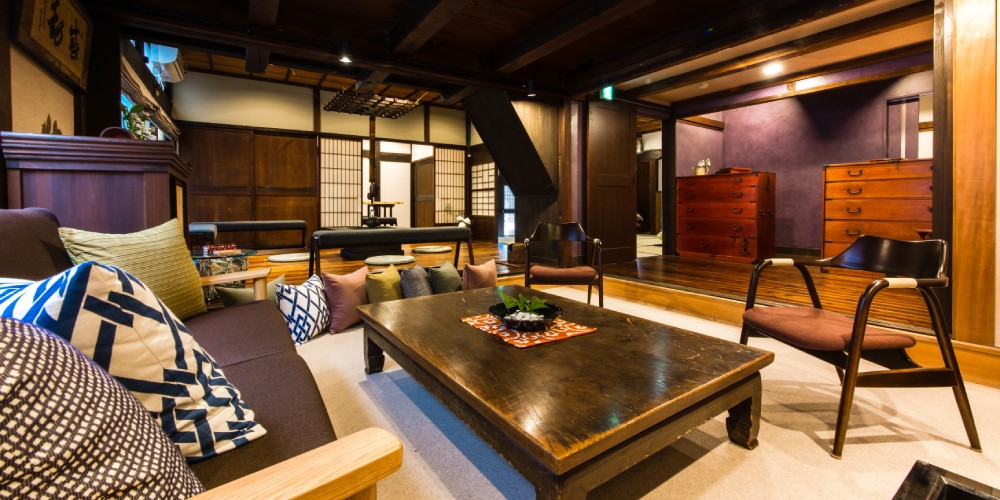
Slip off your shoes and slide onto the tatami floors of a wooden villa that was perhaps the home of a successful merchant from centuries past. Imagine bedding down here on a balmy night, watching the sunset on the interior landscaped garden. In another scenario, picture waking to the sound of temple bells at dawn. Pad down the corridor to attend morning rites at a Buddhist temple, before tucking in to a breakfast of vegetarian cuisine.
These are the under the skin experiences that await you at Japan’s traditional temple lodges and boutique town stays. Ones that offer a chance to connect on a deeper level with the country’s history, architecture, culture
and cuisine.
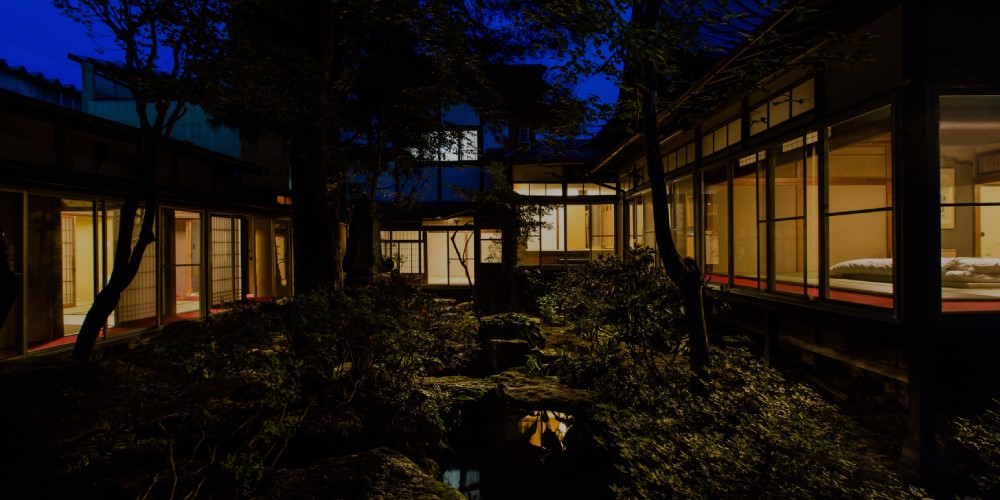
Located deep in the picturesque foothills of the Japan Alps, Takayama is one of the most atmospheric places in Japan and home to one of the country’s best preserved, historic townscapes. It’s an old castle town (though the castle is long gone) and also an important centre for woodworking. The streets of the historic district are lined with traditional, wooden townhouses dating to the 18th and 19th centuries; many of which boast the exquisite latticework for which Takayama artisans are famous for.
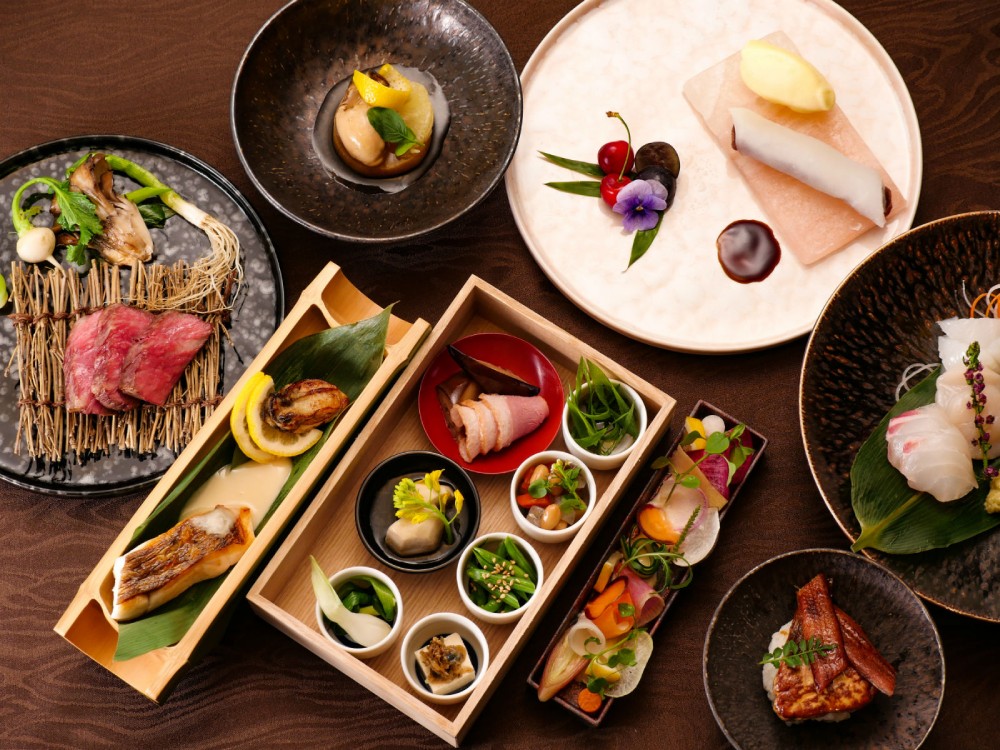
For meals, guests have the difficult choice between shojin ryori, the vegetarian meals prepared and eaten by Buddhist monks, and an eclectic spread that includes local delicacies like beef grilled in miso and served on a fragrant magnolia leaf.
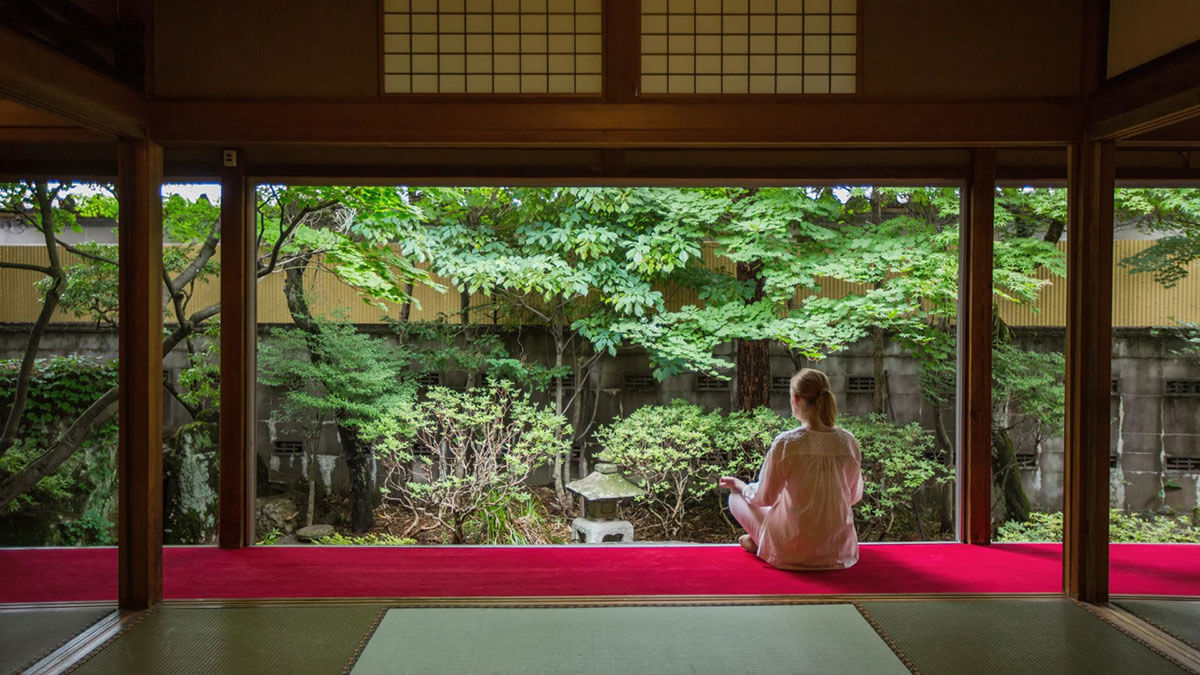
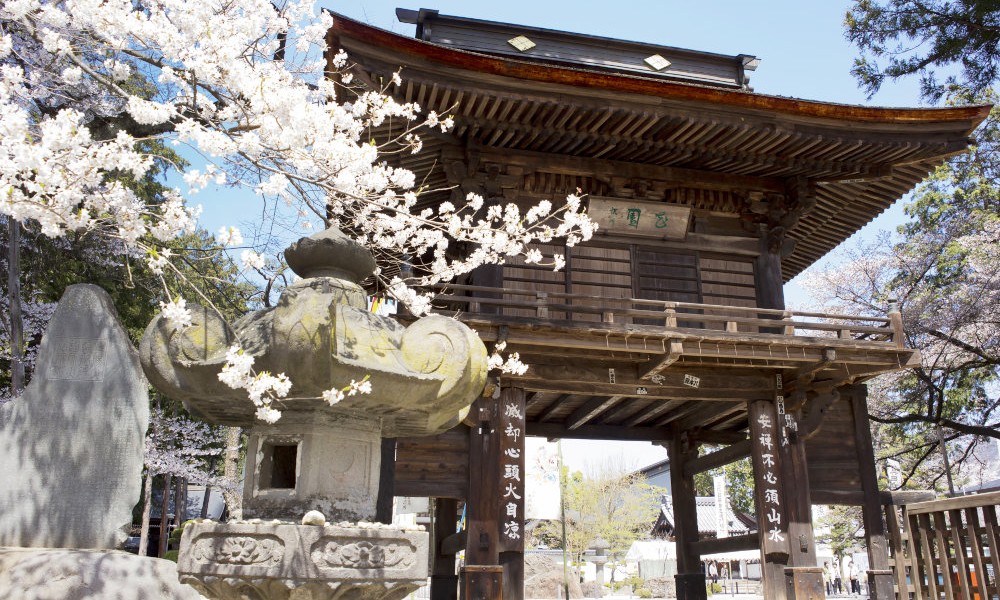
Temple lodgings have a long history in Japan, dating back over a thousand years. Originally intended for devout pilgrims, many now open their doors to anyone, regardless of creed. There’s no evangelising, and guests are free to participate in as much or as little as they like. For visitors who prefer not to indulge in the spirituality, aptly-named temple lodge Zen&Bed offers several ways to engage with that most enigmatic of Japanese Buddhist sects: Zen. There are sessions of zazen—seated meditation—and the opportunity to practice grooming miniature dry landscape gardens (more commonly known as “Zen rock gardens”).
Zen&Bed is unique in that there is a classic teahouse on the grounds, and guests can participate in a tea ceremony during their stay. Like Temple Hotel Takayama Zenkoji, Zen&Bed is a small affair, with just four simple, elegant rooms arranged around an interior garden.
Unlike temple lodges, town stays are something of a new trend in Japan; , part of a reassessment of heritage properties around the country and a rekindling of interest in the preservation of traditional architecture. There have always been inns in old buildings, passed down from generation to generation. However, this new class of town stays more closely resembles a boutique hotel experience, with larger rooms, attention to design, luxury amenities and concierge services.
Nipponia Hotel Takehara Salt Works is a perfect example. The hotel is spread out over three buildings: the reception and dining area are situated in what was once an exclusive banquet hall, while the sleeping quarters are located in two different structures; , one that functioned formerly as a bank and later as an inn, and another that got its start as a sake shop. All have been gorgeously restored, with exposed timber beams and delicate latticework. Great care was taken so that the structures blend in with the surrounding townscape.
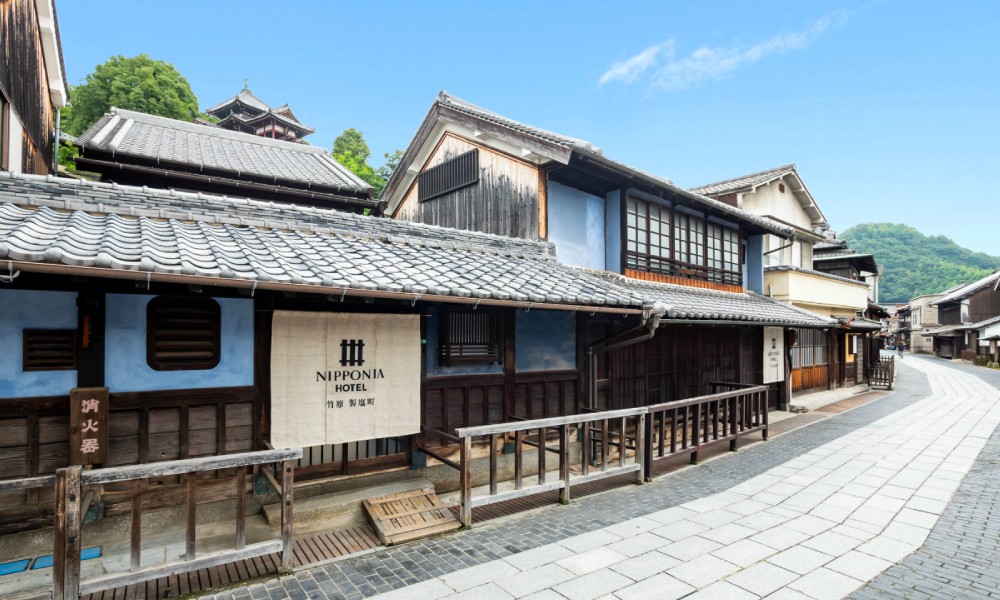
Nipponia Hotel Takehara Salt Works is located in Hiroshima prefecture, in the town of Takehara, which in centuries past had a thriving salt and sake trade. It was the ‘salt barons’ who built up the town and bequeathed the town its rich architectural heritage. Today, Takehara is known for its well-preserved historical district, one of many places in Japan that has earned the nickname ‘Little Kyoto’ for its atmosphere of old Japan. It’s still known for its sake, too—something that hotel guests can sample over dinners that feature seafood from the nearby Seto Island Sea.
The Nipponia brand has been leading the way in the boutique town stay movement and now has several properties around the country, each different and each drawing on and accentuating the unique cultural milieu of the town in which it is set. One of their newer properties is Nipponia Mino Merchant Town in Mino, Gifu prefecture. Like Takehara, Mino—which is located a third of the way between major hub Nagoya and Takayama to the north—i is known for its intact Edo era townscape. In Mino’s case, however, the principal product was—and still is—high-quality washi, handmade Japanese paper.
Here, the accommodations are split over two structures, both villas that once belonged to prosperous washi wholesalers. Each room is different: some have garden views, deep cypress soaking tubs, or kitchenettes, but all are spacious, with platform beds and lounge areas. Also on the premises is a gallery featuring works by local artists.
Both Takehara and Mino are worthy travel destinations, even if they’re not quite on the tourist map—yet. These temples and towns are only a few examples of the growing number of experiential, curated accommodations open to visitors to Japan. Odds are there is one in a destination you may already have plans to visit. Or, better yet, get off the well-trodden path and choose one such unique lodging as a destination in its own right.


Written by