Japan’s finest museums, gardens and festivals
From ancient castles to witty modern art, Japan will delight culture vultures. Sarah Birke picks her favourites
Read more

This content was paid for by the advertiser and created in collaboration with E² Studio, the custom-content division of Economist Enterprise. Neither The Economist's journalists nor Economist Enterprise’s analysts were involved in creating this content.


 Experience the profound seasonal beauty of Japan’s Tohoku region by luxury train


Japan is well known for its sleek, high-speed trains that spirit travellers from city to city at speeds of up to 320km/h. What’s less known is how well Japan does slow travel—and via a fleet of designated sightseeing trains no less.
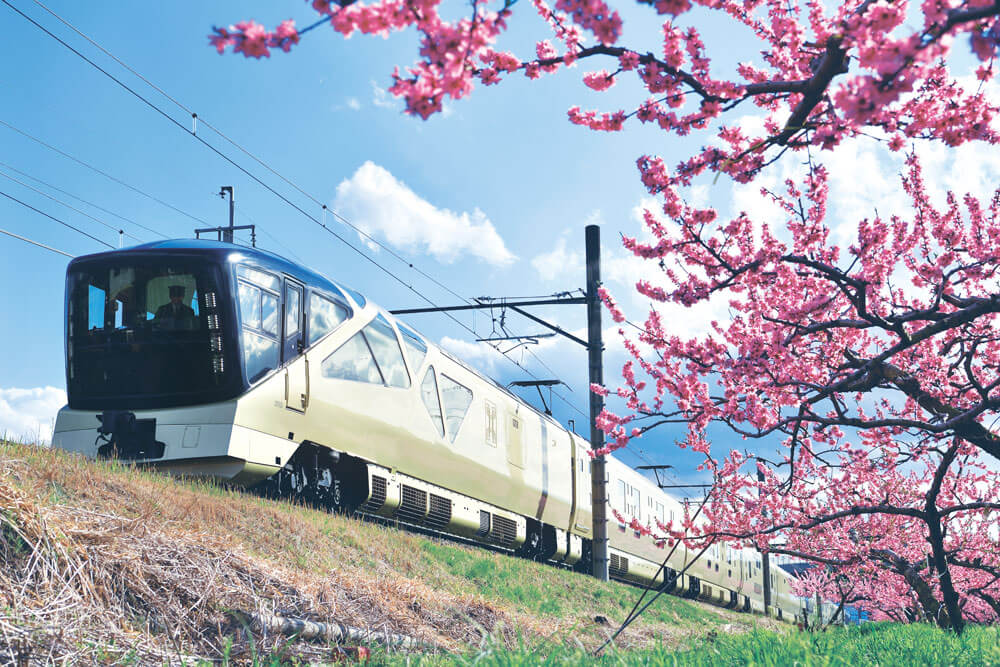
Among the most luxurious of these—and among the most luxurious trains in the world—is Train Suite Shiki-shima. The name, Shiki-shima, means 'land of four seasons'; this was an old epithet for Japan, a nation that has long prized the unique beauty inherent in each of the four seasons.
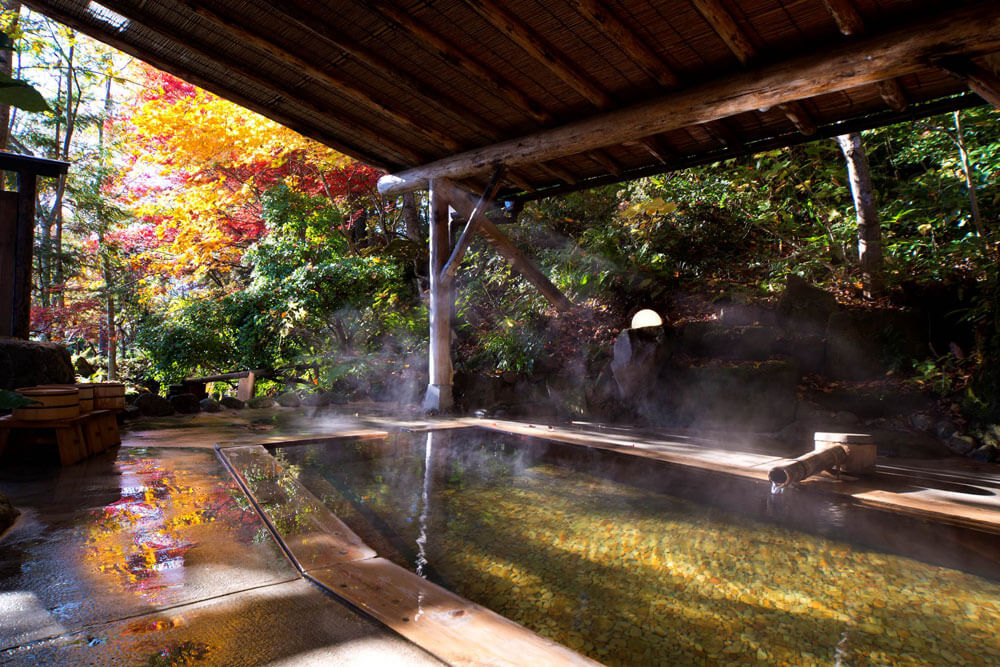
The train, which can be described as a boutique hotel on rails, travels on select routes in one of the country’s most dramatically scenic areas, Tohoku. This northernmost part of Japan’s main island, Honshu, is a land of soaring mountains and craggy coasts, of former samurai strongholds and ancient folkways. Long considered remote, and with less development than seen elsewhere in Japan, Tohoku is the perfect destination for slow rail travel, for sitting back and watching the scenery unfold, vista after vista. And as the name Shiki-shima promises, each itinerary is intended to showcase the region’s best in season, from the landscapes down to the food.
The first buds of spring, the insect cries of summer, the tall grasses of fall, the crisp whiteness of winter. In Japan, images such as these have long been celebrated in the arts, in poetry and in painting, and also in travel. Experiencing a place in all its seasonal glory is one of the joys of journeying in Japan.
There is a word in Japanese, utsuroi, which means ‘change’ and, poetically, is used to describe the beauty and ephemeral quality found in the changing of the seasons. The most famous example of this is the spring celebration of the cherry blossoms, but there are other examples, too, such as an appreciation for how the light falls at different times of the year—or even at different times of the day.
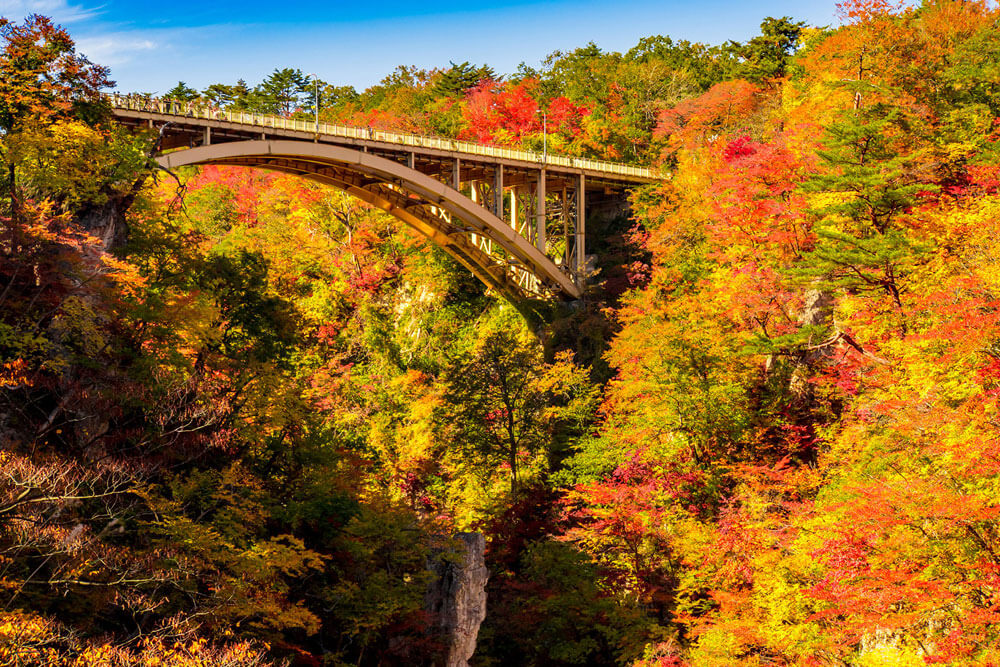
Such views can be admired from within the train’s private suites, which sleep two and have big picture windows, or from one of the two sightseeing lounges, on either end of the train, which have window panels that extend overhead for views of the sky.
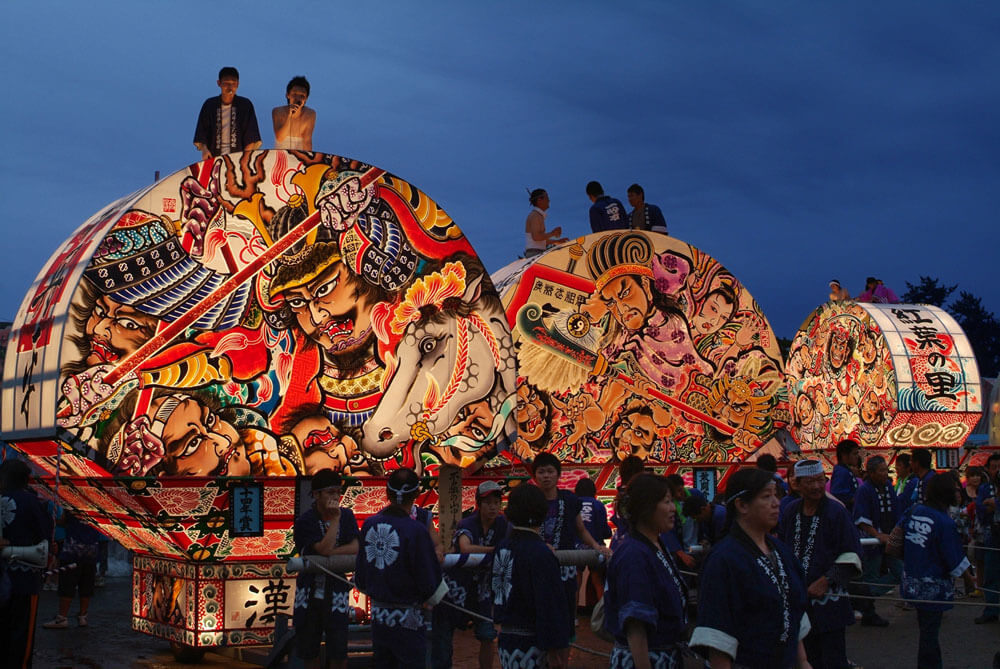
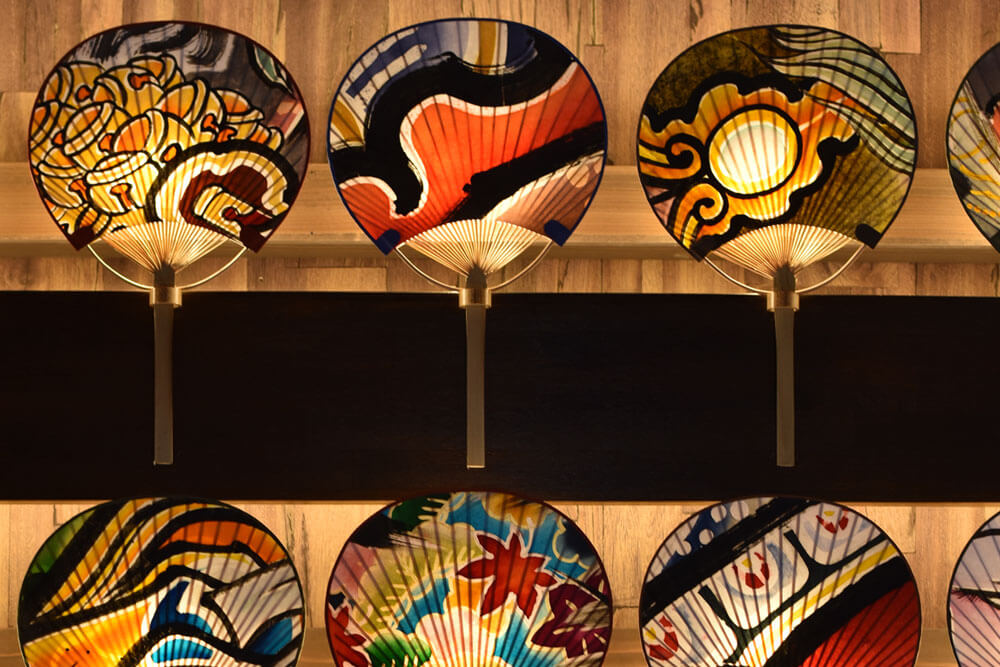
Shiki-shima itineraries, which may be as short as two days and one night or as long as four days and three nights, also include short excursions that allow for an even deeper immersion. While each itinerary is unique, sample excursions include a stop in Kuroishi, a town famous for its Nebuta Festival, which features a parade of lantern lit floats painted with fierce warriors and elegant courtesans. In Kuroishi, guests can participate in a workshop to make paper fans with the same colourful imagery as the floats.
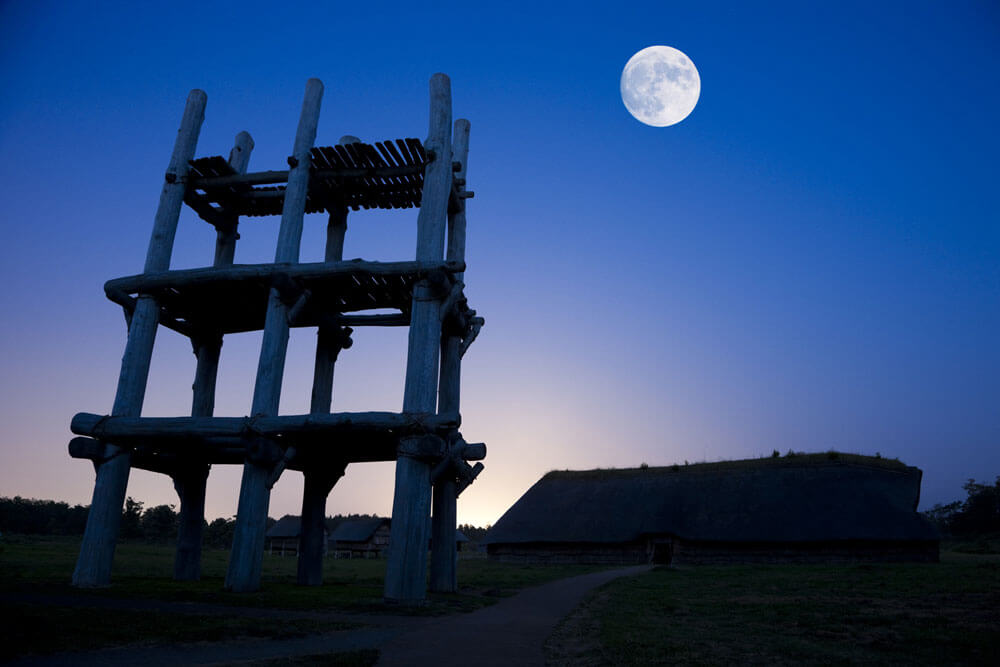
Or dive deeper into history with a visit to the Sannai-Maruyama ruins, an archeological site featuring the remains of a prehistoric settlement, dating likely to somewhere between 3900 and 2200 B.C.E. Artefacts unearthed from the site, which was added to the UNESCO World Heritage List in July 2021, are on display at the on-site museum.
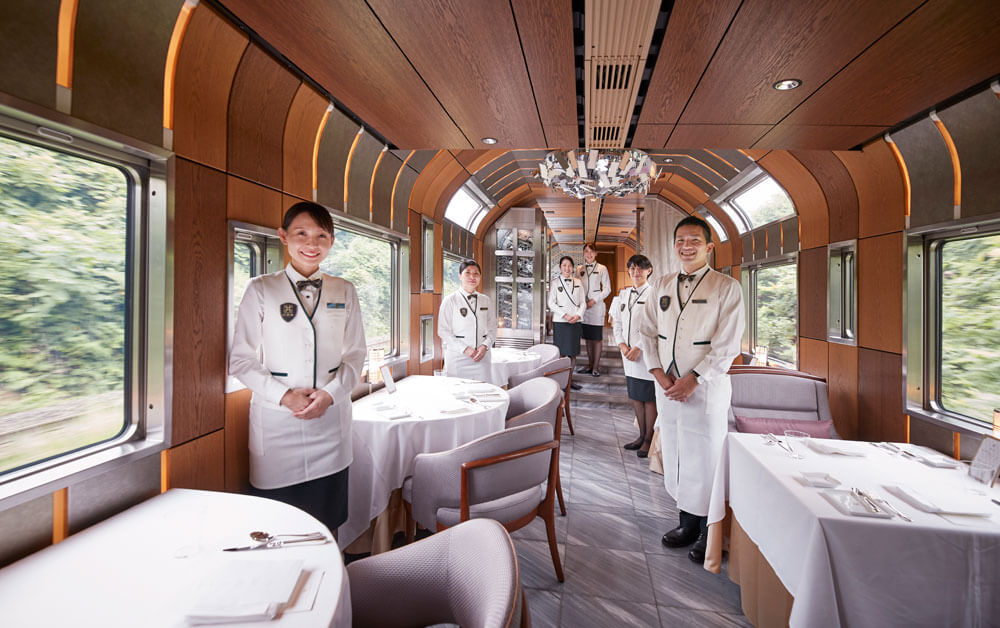
Competing for attention with the scenery and culture is the design of the train itself, which was overseen by Ken Okuyama, a Japanese designer who has worked previously on projects for Porsche and Ferrari. When it made its debut in 2017, Train Suite Shiki-shima was included in the ‘Good Design Best 100’ at Japan’s annual Good Design Awards.
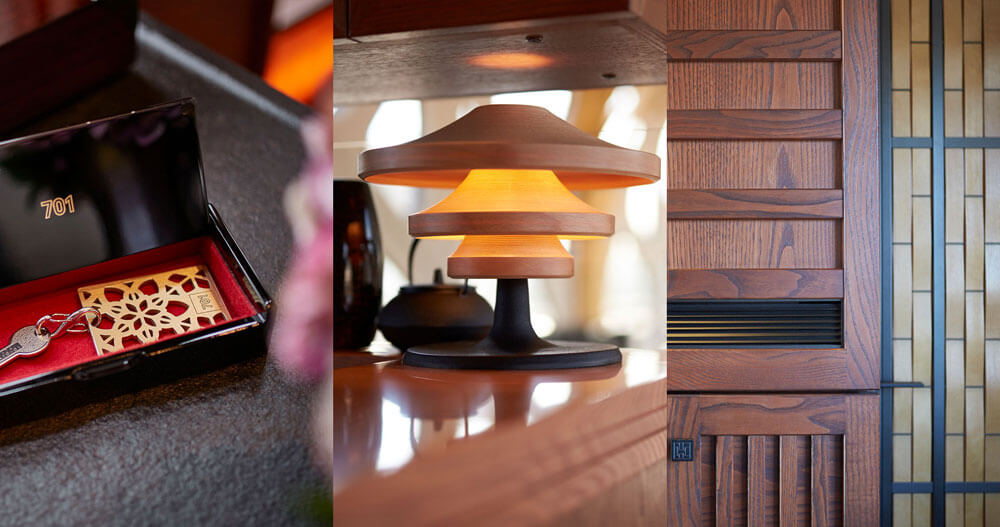
The interiors are a showcase of Tohoku craftsmanship, including elegant woodwork from Akita prefecture and bespoke textiles from Yamagata prefecture. The suite rooms—just three to a car—are paneled with lacquered wood. Meanwhile, the futons, which can lie flat or be folded like sofas, are upholstered with handwoven mawata, a kind of sturdy silk rarely seen today. And these are just the ordinary suites. There are two other suites more luxurious still, both with deep soaking tubs made of fragrant cypress wood. Everything down to the waste paper bins and tissue boxes is handcrafted and made of natural materials.


Written by