Japan’s finest museums, gardens and festivals
From ancient castles to witty modern art, Japan will delight culture vultures. Sarah Birke picks her favourites
Read more

This content was paid for by the advertiser and created in collaboration with E² Studio, the custom-content division of Economist Enterprise. Neither The Economist's journalists nor Economist Enterprise’s analysts were involved in creating this content.


 A getaway within a getaway:


Greater Tokyo offers the full package: a top tier urban experience complemented by nature, history and traditional culture. Neighbouring prefectures Chiba, Kanagawa, Yamanashi and Saitama, for example, are rich in local attractions that offer a memorable experience away from the crowds. Get off the beaten track without having to go too far, and check out some of the best of Greater Tokyo on your next visit to the Japanese capital.
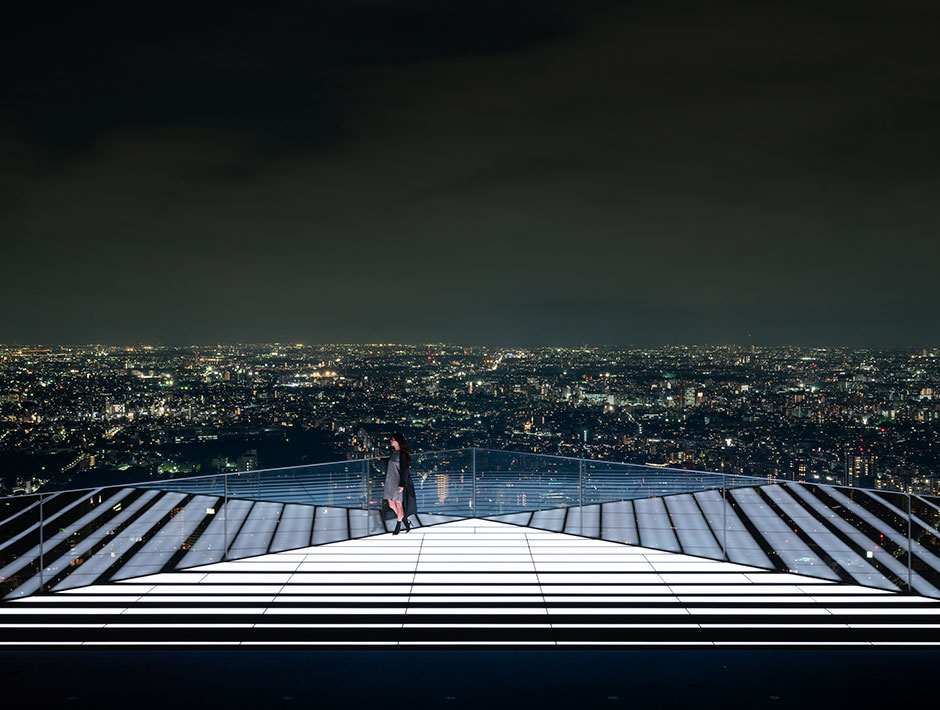
SKY EDGE / ©SHIBUYA SKY
Underpinning a number of other attractions is the legacy of the recent Tokyo 2020 Summer Olympics for travellers to explore and enjoy. Go behind the scenes and recapture the excitement with a tour of the Japan National Stadium. Designed by Kengo Kuma and others, and used as the main venue for the Games, the open-air site stuns with its wooden eaves—reminiscent of traditional Japanese architecture—and greenery. Another venue worth checking out is the livedoor URBAN SPORTS PARK. Plans for its demolition were scrapped after local skateboarder Yuto Horigome won the first-ever men's street skateboarding gold medal at the Tokyo 2020 Games; to memoralise this success, the waterside park, which reopened in mid-October this year, has been redeveloped into an open-air sports and leisure complex.
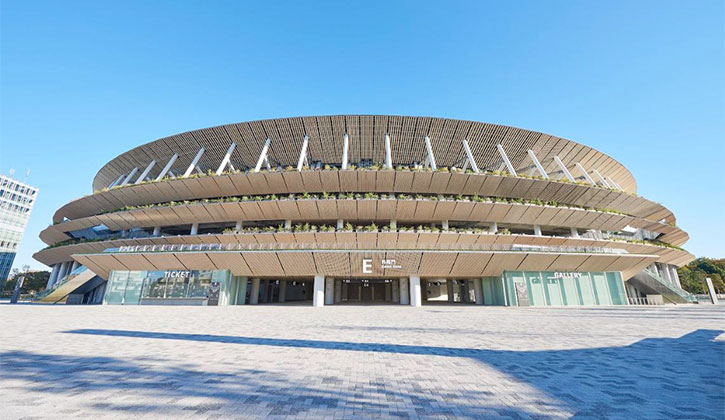
JAPAN NATIONAL STADIUM / ©JAPAN SPORT COUNCIL
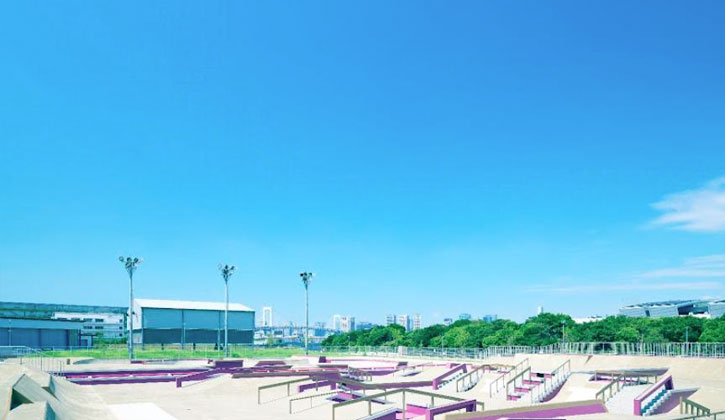
livedoor URBAN SPORTS PARK / ©TSWV
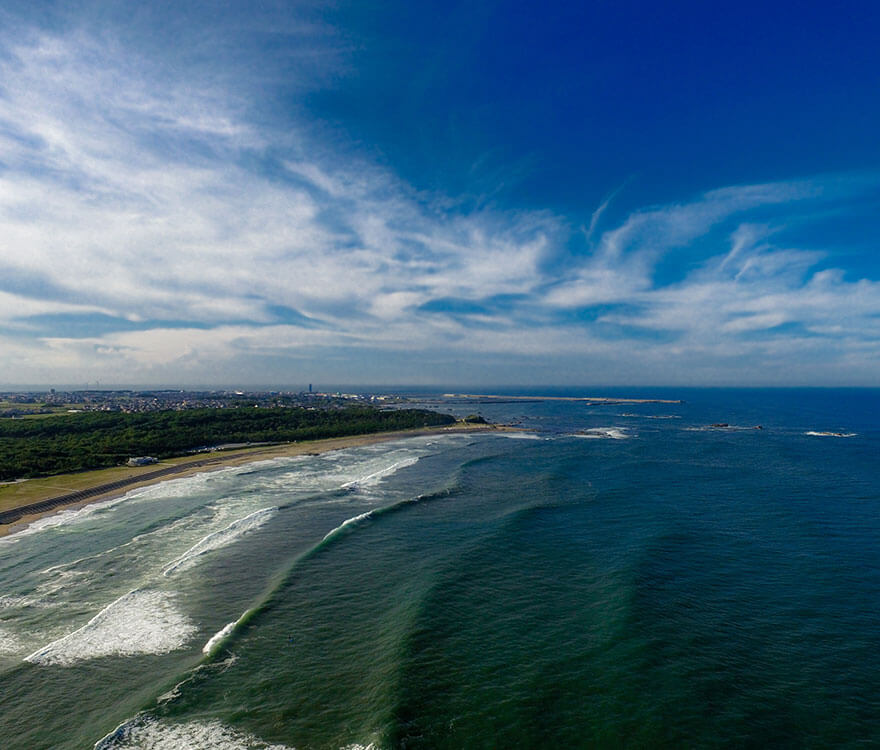
For example, towards the rugged southern tip, on the west coast, Mt. Nokogiri stands out for combining sea views and hiking in one experience. From the top of this stony, saw-toothed ridge, you can look back on the Tokyo Bay from across the water—and if lucky enough, even see Mt. Fuji on a clear day.
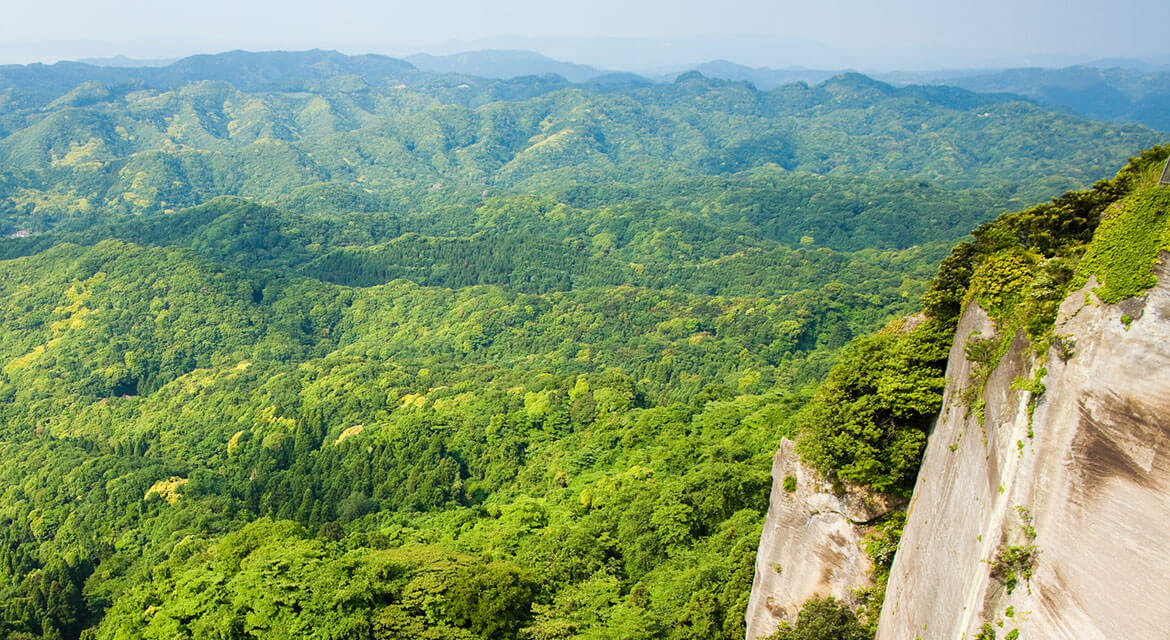
Mt. Nokogiri
Apart from the train, travellers can choose from various means of transportation to get to Chiba Prefecture in a short amount of time. The Tokyo Bay Aqua-Line Expressway, officially known as the Tokyo Wan Aqua-Line Expressway, for example, is a bridge-tunnel combination that spans nearly 24km. It crosses Tokyo Bay and provides an especially convenient way to travel by car or express bus across the prefecture and access the southern area.
Continuing south, get out on the water and give standup paddleboarding (SUP) a try. Located next to Okamoto Pier, for about ¥6,200 (US$43) which includes wetsuit rental from November to mid-April, an all-year-round instructor-led programme takes travellers safely around a sheltered inlet in the coastal city Minamiboso. Beginners, and those between the ages of seven and 70, are more than welcome; reservations can be made through the Minamiboso City Tourism Association. For a different, but similarly relaxing experience in nature, sign up for a guided walk of nearby Cape Taibusa, known for its healing forests.
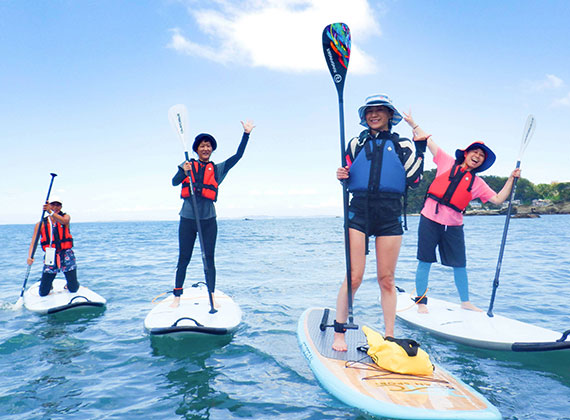
SUP Experience / ©Minamiboso City Tourism Association
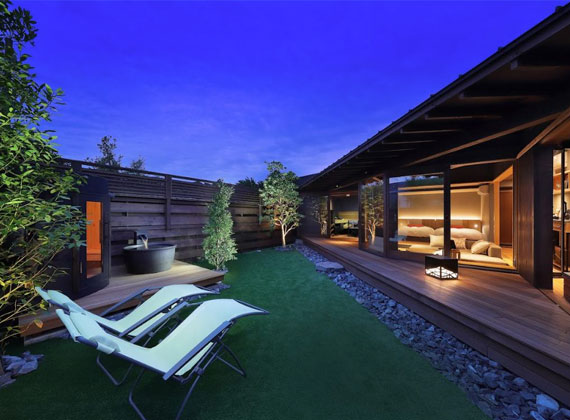
Private Villa Sizca / ©HANASHIBUKI Resort & Company
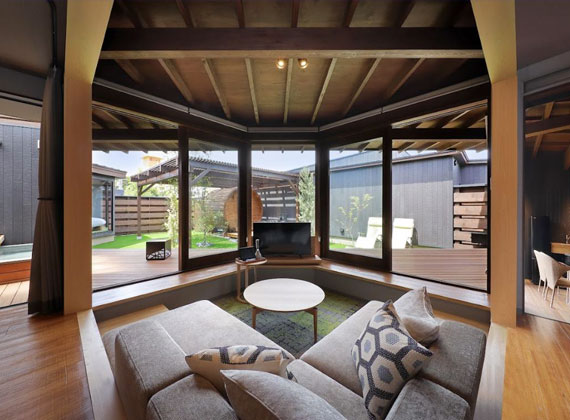
Private Villa Sizca / ©HANASHIBUKI Resort & Company
With Chiba offering a change in perspective, consider staying overnight for a change of pace, too. At Private Villa Sizca, you can pair cool ocean breezes with a soak in the hot spring, which is privately owned by the inn. As the name suggests, each villa promises privacy, serenity and full amenities, including a barrel sauna and a water bath just steps from the indoor living quarters, as well as a private terrace with an onsen tub.
Hoping to get a glimpse of Old Japan? That's easy to do in Kanagawa Prefecture, south of Tokyo, where you can find vestiges of history and sights like Oyama Afuri Shrine, which was founded over 2,000 years ago. Long considered a guardian shrine for the region, and a pilgrimage destination for centuries, this historic cultural centre remains popular today with local daytrippers and trekkers.
The lower shrine complex, which can be reached by cable car, features traditional-style buildings set into the sloping green mountainside; the upper shrine requires use of a picturesque hiking trail, but rewards with vistas over much of Greater Tokyo.
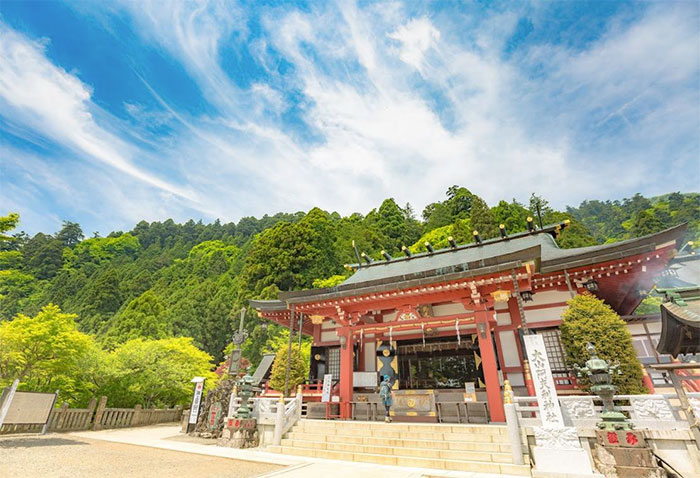
Oyama Afuri Shrine
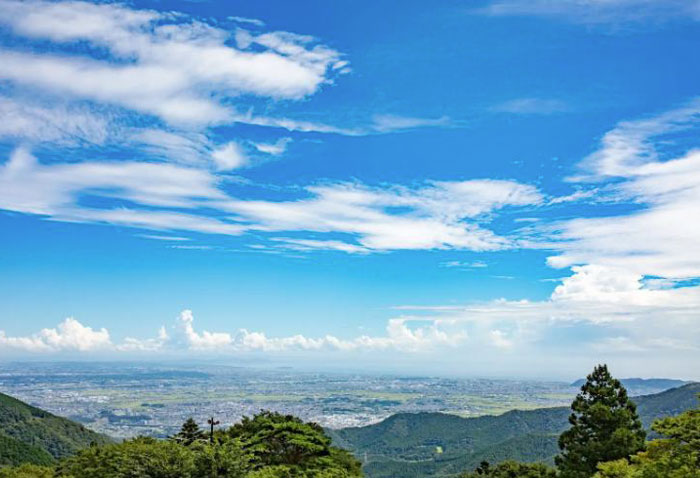
Beautiful view from the upper shrine, Oyama Afuri Shrine
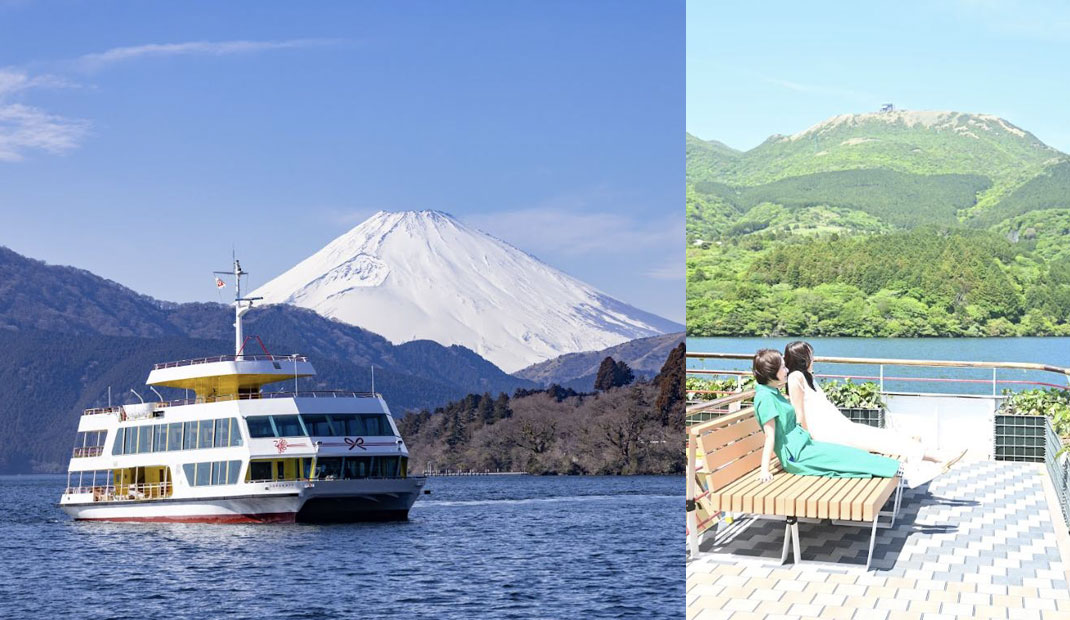
Hakone Cruise Ship SORAKAZE / © 2024 箱根遊船 ALL RIGHTS RESERVED.
No trip to Japan is complete without getting to know its food culture. Every region has its own local specialties, but for rustic mountain cuisine, it's hard to beat Yamanashi Prefecture, where one could get to as quick as 90 minutes by train westward from Tokyo. Here, one will not only eat plenty—but also learn plenty about sustainable culinary practices.
One destination that stands out for is Mt. Minobu, home to Kuonji, the head temple of Nichiren Buddism that was founded in the 13th century. Combine a visit with a meal at historic temple lodging Kakurinbo, which serves local specialties like yuba (dried tofu skin, which forms naturally on top of soy milk when boiled) and fresh vegetables sourced from local farms.
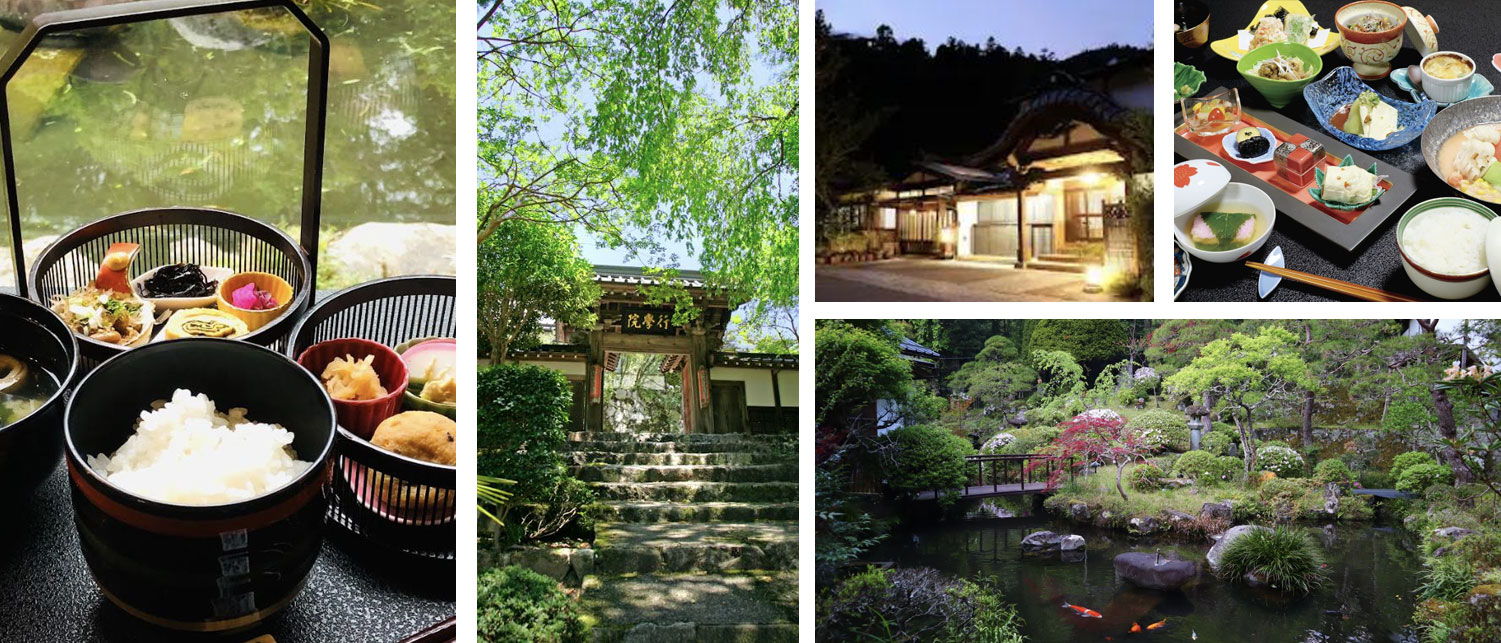
Kakurinbo
There's also nearby Café Zencho, where the menu is designed with a focus on locally-produced food and seasonal ingredients, though with a fusion spin. For example, you can sample one of the prefecture’s specialties, thick 'hoto' noodles, served as carbonara. Cafe Zencho is part of Ebisuya, a beautifully preserved traditional villa refashioned into luxurious private accommodation; overnight guests can order in from the cafe or create their own meals in the spacious kitchen.
Other options for staying close to the land abound, such as at Kuu House, a farmstay in a mountain village called Chikahagi, where visitors can immerse themselves in sustainable food and living practices. For example, dinner here is served around an "irori", a traditional Japanese sunken hearth or fireplace used for cooking or heating homes, where vegetarian and vegan options are also on offer.
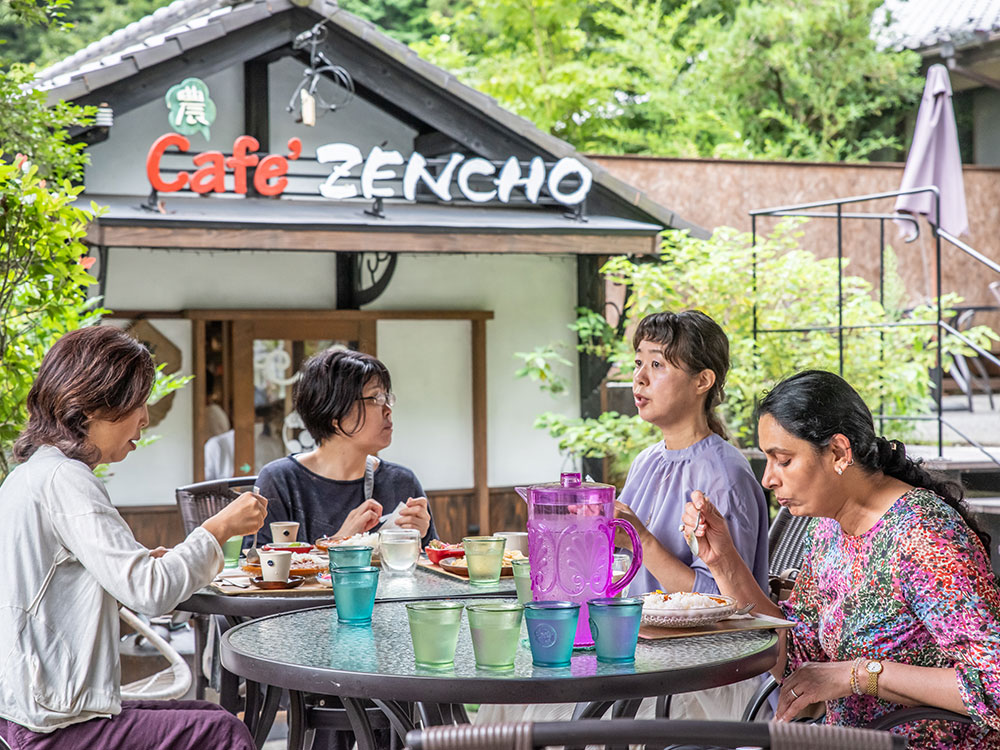
Café ZENCHO
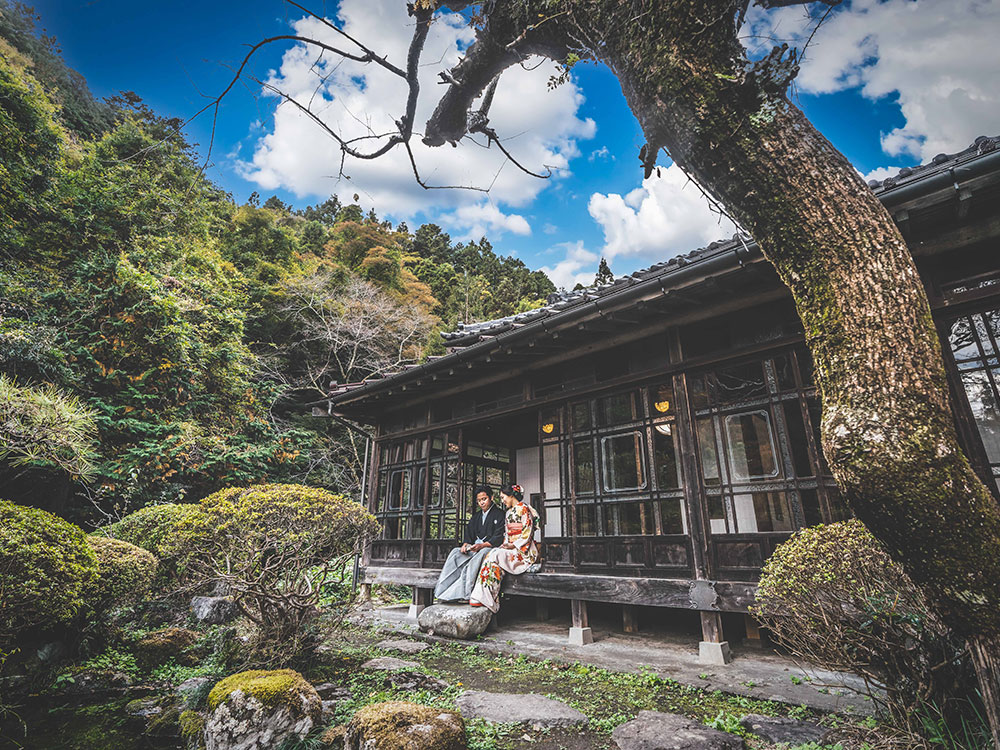
Ebisuya
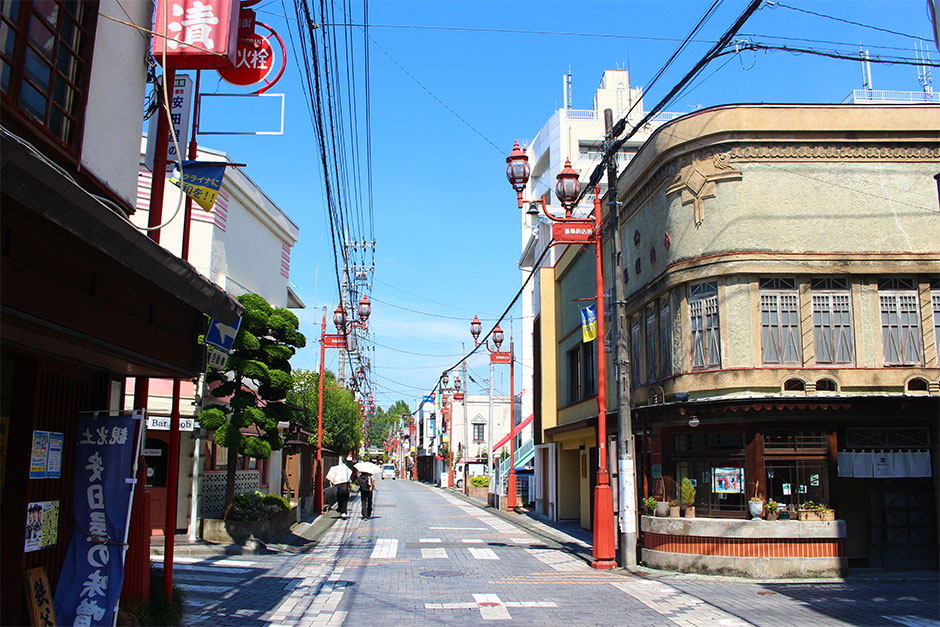
Bamba Street in Chichibu, Saitama / ©Chichibu Area Tourism Organization
Kick off this journey at Matsuoka Brewery, an award-winning sake brewery founded in the Edo period that has been utilising traditional brewing methods for over 170 years now. There are tours that will take you through the process, from rice and water—in this case spring water from the Chichibu Mountains—shedding light on the cultural history of sake-making and how the industry has adopted the latest technologies. Please note that these tours require advanced bookings.
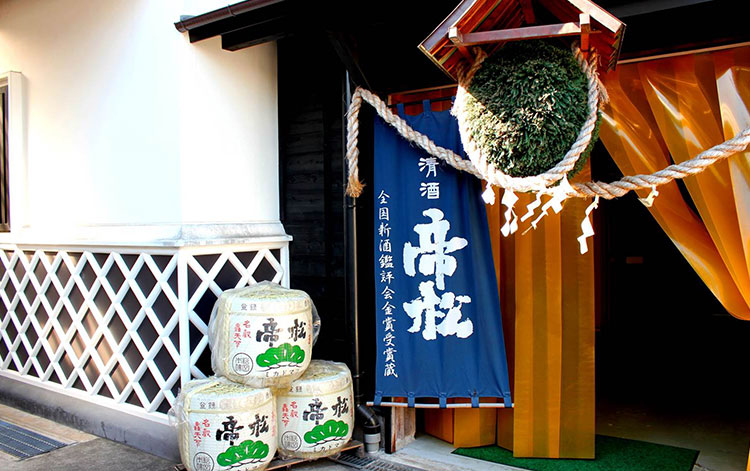
Matsuoka Brewery
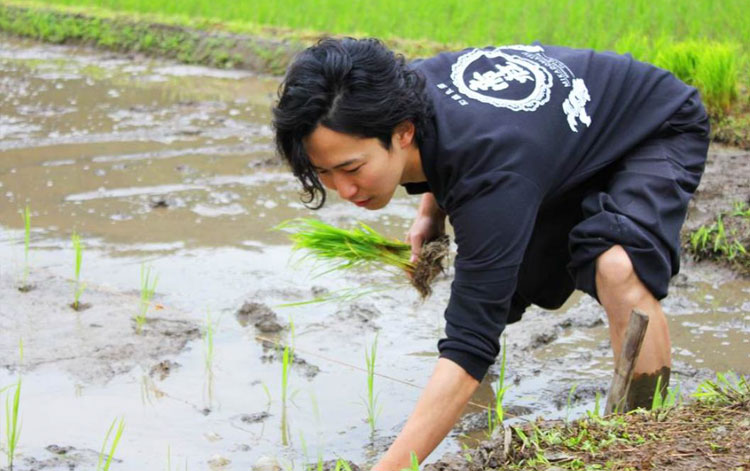
Matsuoka Brewery
A 50 minutes drive from the brewery will take you to Chichibu, a mountain town with its own historic shrine and hiking trails. Here, stay overnight to take advantage of an innovative accommodation scheme that gives visitors a window into life in Japan. Machi-jyu is made up of traditional homes given new life and transformed into tranquil, atmospheric lodgings. Guests are granted a 'local passport', which is like a treasure map for the town, highlighting where to go for the best local experiences—from bars to public bathhouses.
With all that Greater Tokyo has to offer, inbound travellers should no longer overlook paying the capital's surroundings a visit, and instead round up their trip to Japan by combining the best of all worlds.
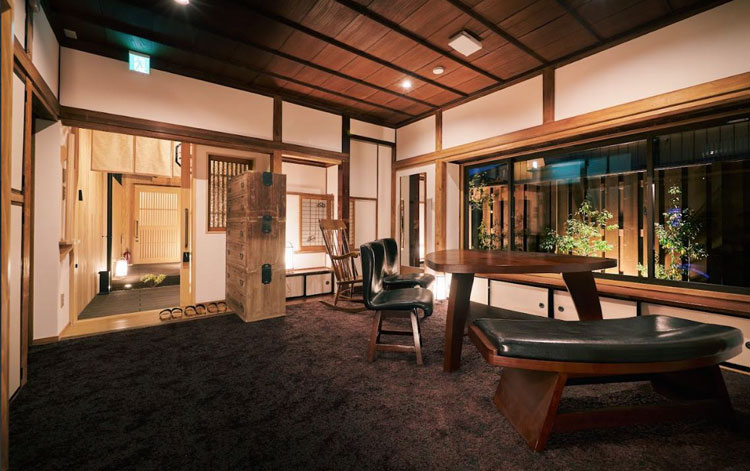
Machi-jyu
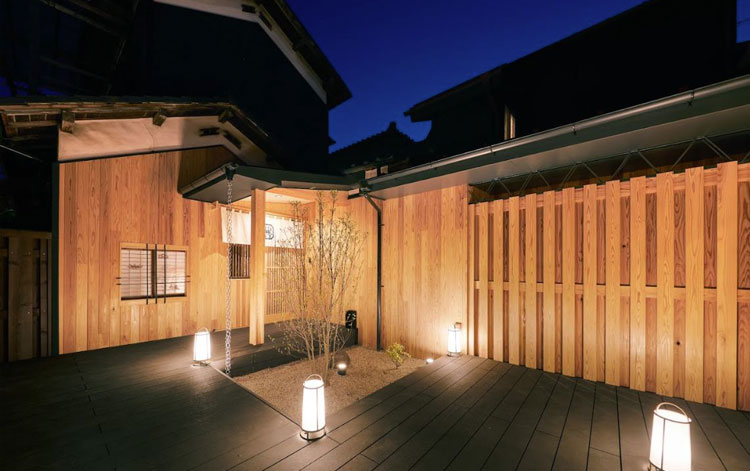
Machi-jyu

For more information about Tokyo and the neighboring prefectures, visit the Connected Japan Awaits You website


Written by