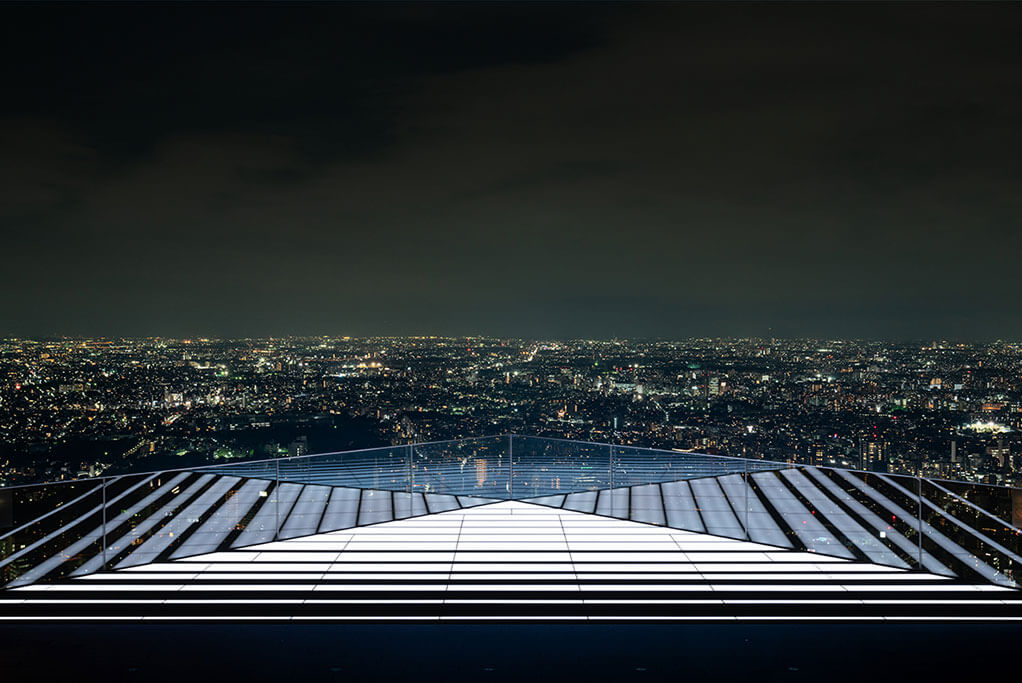
From atop the 229 metre-tall, open-air observatory SHIBUYA SKY, Tokyo lies like a tapestry across the land as far as the eye can see. A melange of grey and glass, with patches of tufted green large and small, all the way to the horizon. After dark, it will appear more like an illuminated circuit board, powering something larger than the mind can fathom. Mind-boggling, too, is the observatory itself: something this high, rimmed only with transparent barriers; the feeling is one of floating over the city.
SHIBUYA SKY is the most dramatic new addition to the skyline in Tokyo’s dynamic Shibuya district. It’s located on the 14th, 45th and 46th floors—and the rooftop—of SHIBUYA SCRAMBLE SQUARE, a multi-use skyscraper that opened in 2019 and is part of a radical redevelopment of a neighbourhood with a long reputation for setting trends. The glass tower mirrors the sky and city, save for where animated digital displays take over. Inside are offices (including a whole floor for co-working) and shops from top international and domestic brands and destination restaurants.
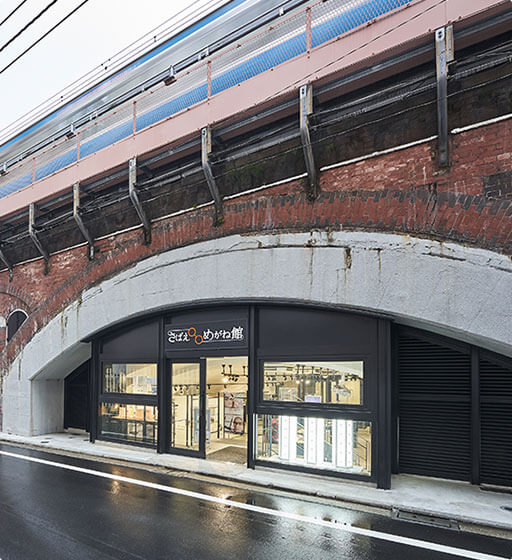
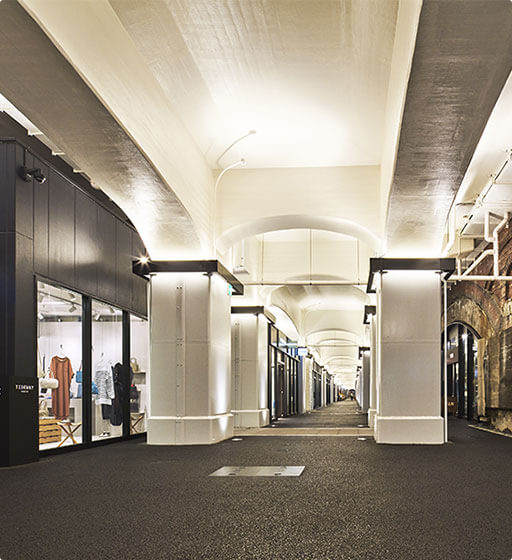
Tokyo is often positioned as a city from the future. More accurate, perhaps, would be to say it is like a showroom of possible futures, with SHIBUYA SCRAMBLE SQUARE just being one of many. In a different neighbourhood, in a different part of town—Hibiya, a central office district—another recent development presents a different model entirely. This one, called HIBIYA OKUROJI, happens at street level and makes use of legacy structures. In this case, it’s elevated train tracks, with beautifully restored 100-year-old brick arches.
SHIBUYA SKY ©SHIBUYA SCRAMBLE SQUARE
‘Okuroji’ means something like ‘back alley’, which is evocative of the sense of adventure and exploration that city alleyways have always represented. And HIBIYA OKUROJI, completed in 2020, is no different: descend into the semi-basement passage (while the overhead train trundles above) to find fashionable boutiques, restaurants and cafes. Tokyo has always been a city of alleyways over boulevards, and it’s a pleasure to see that legacy preserved in new spaces.
You could spend weeks in Tokyo and never run out of new things to discover. But the contemporary urban experience is just one that Japan offers, and positioned from Tokyo, the traveller can head out in any number of directions in search of the perfect complement, the rural and the traditional. One location that fits the bill, but is often overlooked by international travellers, is Fukui.
Fukui prefecture is part of the Hokuriku region of Japan that hugs the Sea of Japan coastline, separated from the more developed Pacific side by the country’s spine of central mountains. And yet it’s surprisingly easy to get to: Komatsu Airport, the main airport for the Hokuriku region, is just an hour’s flight from Tokyo’s convenient Haneda Airport.
The train (where covid-19 infection control protocols remain in place, as with other public transport and attractions, across Japan) is also an option: the Hokuriku Shinkansen connects Tokyo to the region’s largest city Kanazawa—a 2.5-hour journey—from where trains, buses, taxis or a rental car can take you to Fukui in about an hour. From spring 2024, the Hokuriku Shinkansen will run direct all the way to Fukui (meaning the prefecture might just be on the cusp of becoming a whole lot more popular).
This part of Japan has long been considered deeply spiritual, thanks to the hulking presence of Mt. Haku (2702m), a dormant stratovolcano considered one of Japan’s most sacred mountains.
In the 8th century, the Buddhist monk Taicho established a temple at the mountain’s base.
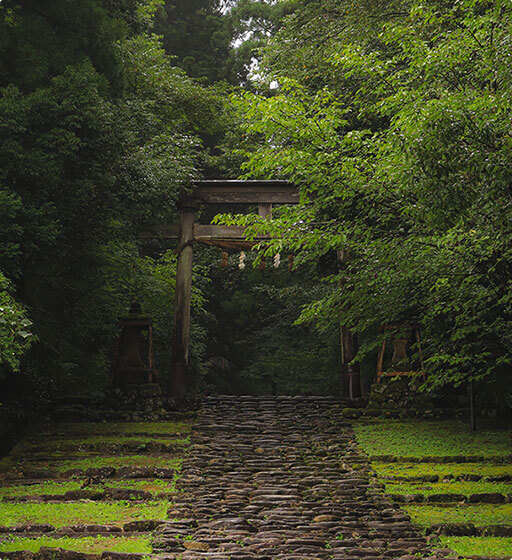
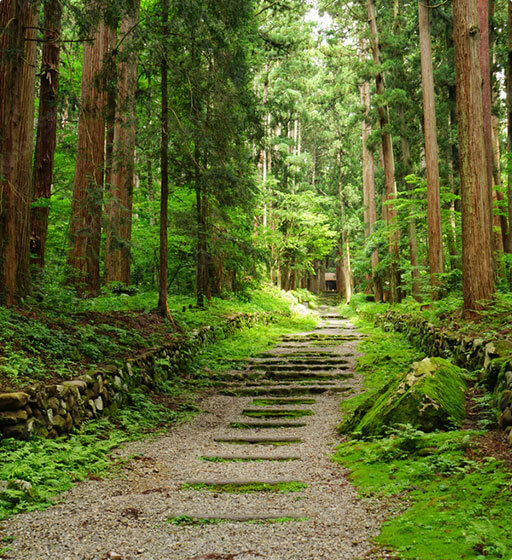
What is today called Heisenji Hakusan Shrine has had a long, storied history: at one point during the medieval period, Taicho’s temple grew to become one of Japan’s largest centres of worship—only to be razed by fire not long after. A sense of history remains, most of all in the well-trodden stone paths and stairs that remain on the grounds. Some of it was rebuilt, and there are a handful of wooden halls from the 18th and 19th centuries tucked among cedars, some of which are estimated to be over 400 years old.
But what most impresses visitors today is the richly green, velvety moss that carpets much of the precincts, and which makes Heisenji Hakusan Shrine one of the most atmospheric places in all of Japan. It’s held up alongside Kyoto’s famous kokedera (‘moss temple’), Saihoji, but you’ll find far more tranquillity in rural Fukui than you will in Kyoto—one of the pleasures of travelling to Japan’s more far-flung destinations.
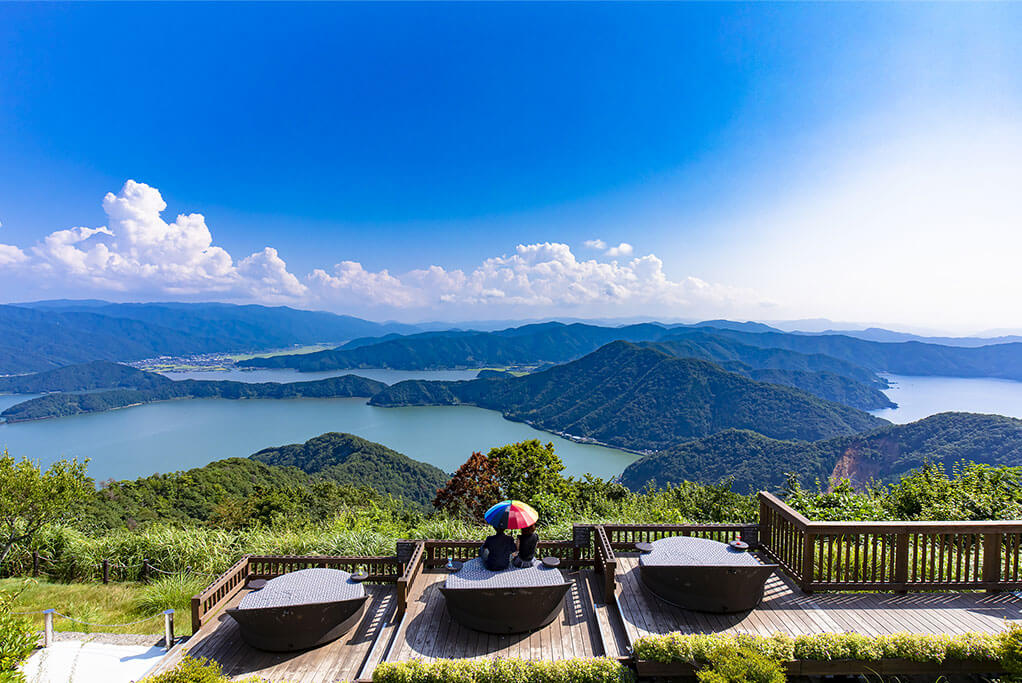
From Fukui, the journey continues along the coast, westward, to where the land gives way to the Mikata Five Lakes. The lakes, with varying depths and salinity, form a vast and diverse ecosystem of fish and migratory birds. The best views of the lakes are via the Mikata Five Lakes Rainbow Line, a scenic drive that winds up to a natural observation point. From here, views extend over the lakes, each a slightly different shade of blue, over forested ridges and beyond to Wakasa Bay. It’s another stunning vista to bookend a journey of a lifetime to Japan.
Mikata Five Lakes Rainbow Line

Written by